Noah Schmid · 1 September 2026
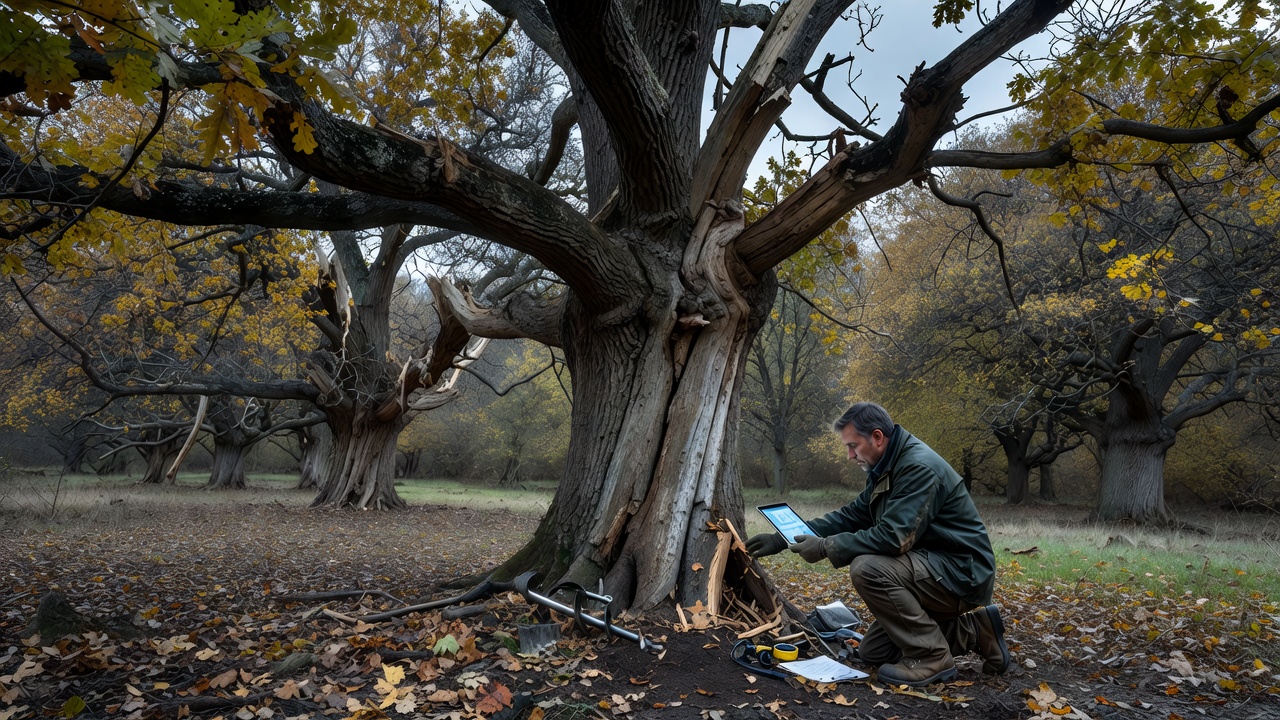
A recent comprehensive study conducted by forest ecologists has documented significant declines in oak tree health throughout the Keenwald region. The research involved extensive fieldwork and data analysis spanning several years, revealing patterns of deterioration that could have lasting effects on the forest ecosystem. Factors such as changing climate conditions, increased pest activity, and human influences are contributing to the observed trends. The publication of these findings aims to raise awareness and prompt action among conservationists and policymakers.
Key Findings from the Survey
Surveys covered multiple sites within Keenwald Forest, assessing thousands of individual oak specimens for signs of stress including canopy thinning, branch dieback, and reduced acorn production. Results indicated that approximately forty percent of the trees showed moderate decline, with some areas experiencing higher rates up to sixty percent. These numbers represent a marked increase compared to previous assessments conducted a decade ago. Soil samples revealed nutrient deficiencies that may be weakening tree defenses against pathogens. Insect infestations were also more prevalent in affected zones, suggesting a possible feedback loop where stressed trees attract more pests. Additional analysis showed correlations with weather data indicating that drier summers are a major driver. This has implications for water management in surrounding areas as well.
Recommendations for Conservation Efforts
To address these challenges, the study proposes several strategies including enhanced monitoring programs using remote sensing technology and community based reporting systems. Reforestation with more resilient species mixes and improved forest management practices such as controlled burns to reduce underbrush could help restore balance. Collaboration with regional authorities is urged to implement policies that limit activities contributing to environmental stress. Long term studies are recommended to track the effectiveness of interventions and to adapt approaches as new data emerges. Overall, the research emphasizes the urgency of protecting oak populations to maintain biodiversity and ecological services provided by the forest. The team calls for increased funding for research and education programs to engage the public in forest preservation initiatives. By working together, stakeholders can help ensure the health of Keenwald for future generations.