Noah Bennett · 1 September 2026
A new study by the Keenwald Forest Ecology Institute documents a 30 percent drop in oak canopy density across the region over five years. Researchers attribute the trend to rising temperatures, invasive pests, and nutrient-poor soils. Data from 50 monitoring plots show younger oaks suffering the highest mortality at 15 percent, while mature trees exhibit chronic stress but better survival.
Methods and Data Collection
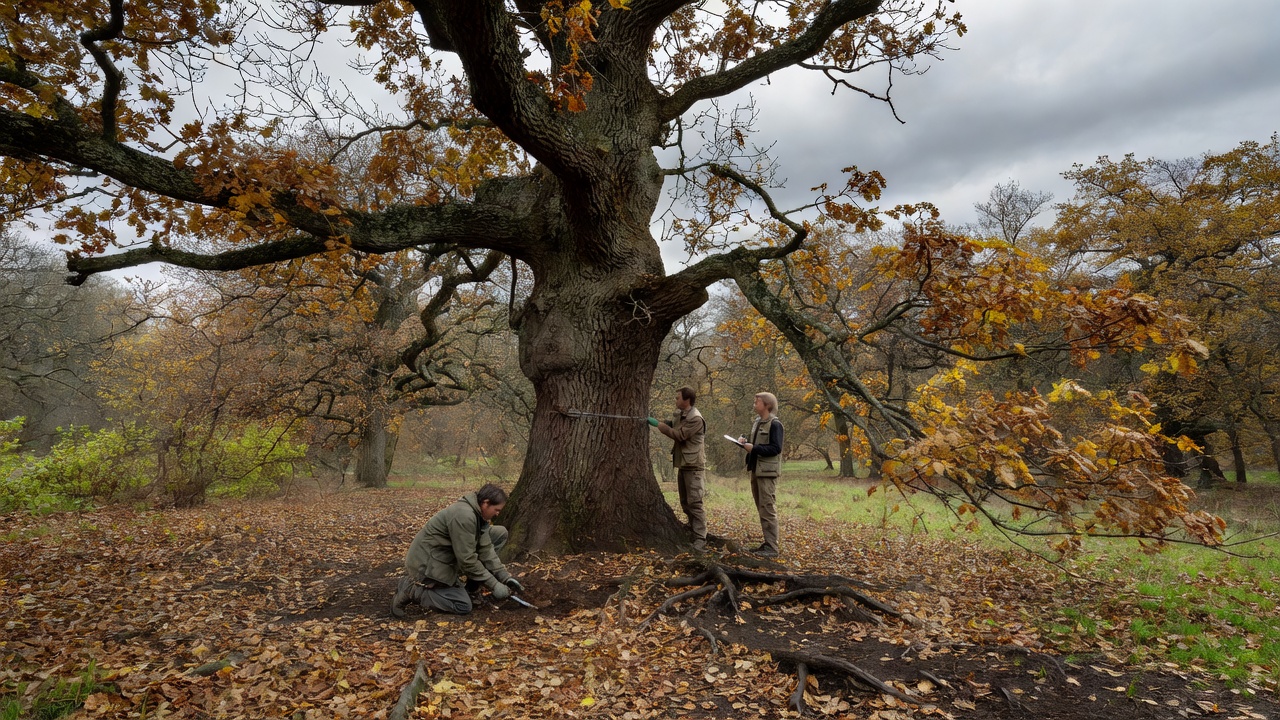
Teams combined satellite imagery with annual ground surveys and soil sampling between 2019 and 2024. Leaf-area index, pest counts, and soil chemistry were recorded at each site. Temperature records indicate a 1.5-degree Celsius rise, correlating with increased oak-wilt outbreaks and reduced acorn production. Statistical models confirmed that drought stress and soil acidification explain most of the observed decline.
Additional transects revealed higher infestation rates near forest edges, where invasive insects encounter less natural predation. Nutrient analysis showed nitrogen levels 22 percent below historic averages, limiting tree recovery after defoliation events.
Management Implications
Continued losses could reduce biodiversity and alter forest composition within two decades. The report recommends targeted removal of infected trees, introduction of wilt-resistant oak varieties, and lime applications to restore soil pH. Coordinated monitoring with local land managers is advised to track treatment effectiveness and adjust strategies as climate conditions evolve.
Long-term funding for reforestation and pest surveillance remains essential to stabilize oak populations and maintain ecosystem services such as carbon storage and wildlife habitat.