Bianca Müller · 1 September 2026
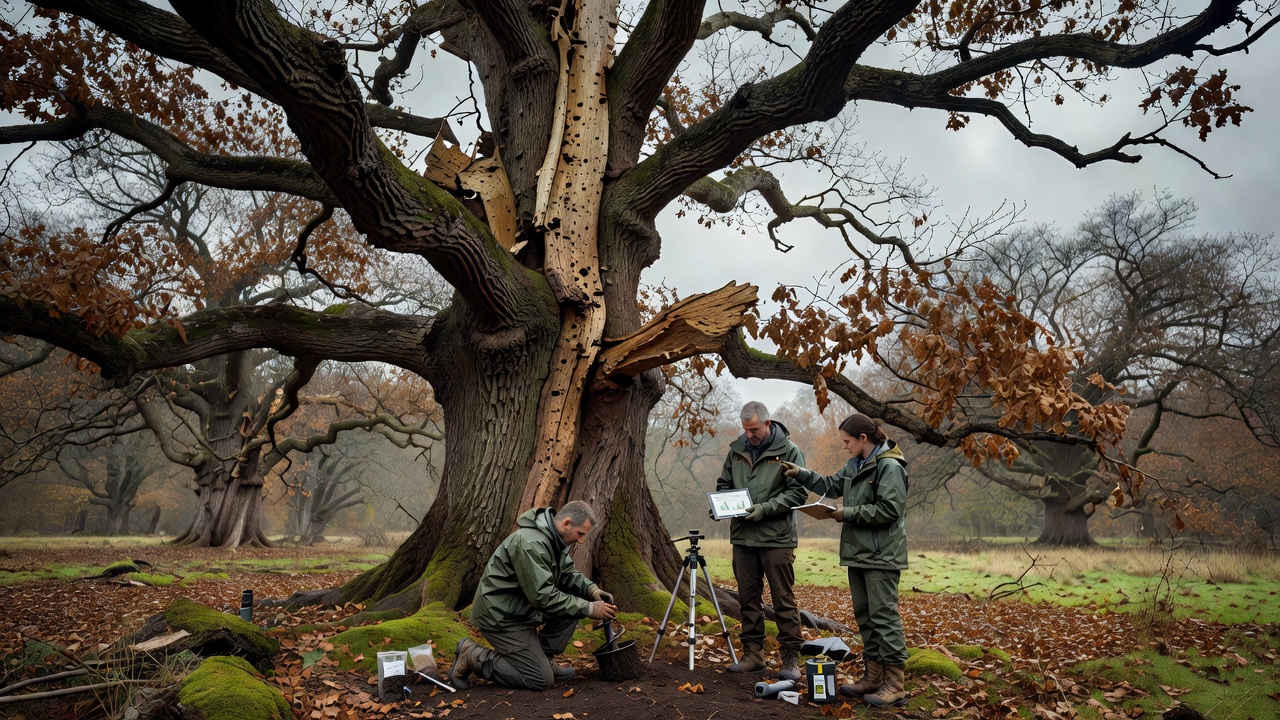
A recent study has documented a significant decline in oak tree health throughout Keenwald Forest. Researchers from the Regional Forest Ecology Institute conducted surveys across 12 sites, recording reduced canopy density and increased mortality rates in both red and white oak species over the past five years.
Key Drivers Identified
The analysis attributes the decline to a combination of prolonged drought stress, invasive pathogens such as oak wilt, and rising populations of defoliating insects. Soil samples revealed lower moisture retention in areas with higher oak mortality, while climate data showed a 15 percent reduction in average summer rainfall since 2015. Laboratory tests confirmed the presence of Phytophthora cinnamomi in 38 percent of sampled roots, correlating strongly with visible crown dieback.
Field teams measured diameter at breast height and assessed leaf area index on more than 2,400 individual trees. Results indicated that trees older than 80 years exhibited the steepest health drops, with 27 percent classified as severely stressed. Younger cohorts showed moderate resilience but still displayed early signs of reduced vigor under current conditions.
Management Recommendations
Authors recommend targeted thinning of stressed stands to reduce competition for water and nutrients, along with selective planting of drought-tolerant oak provenances. They also advise expanded monitoring for early detection of oak wilt and integrated pest management to limit insect outbreaks. Continued data collection through 2030 will track whether these interventions slow the observed trajectory. The study underscores the need for adaptive strategies to maintain ecological functions provided by oaks within the broader Keenwald ecosystem.